When people think of Australia, golden beaches and koalas often come to mind. But for parents and students planning for overseas education, Australia represents one of the world's most balanced, innovative, and supportive secondary education systems.
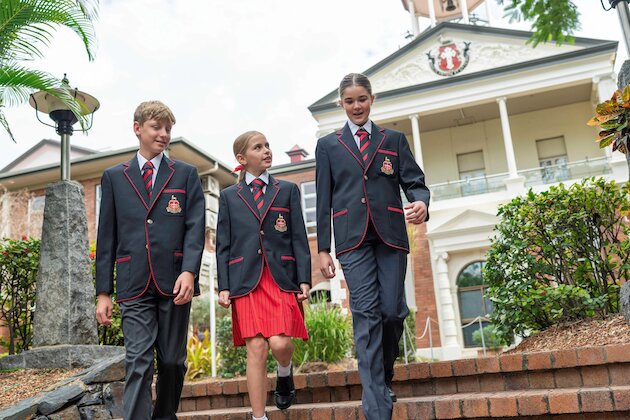
Source: Rockhampton Grammar School
Choosing where to spend the formative years of adolescence is a pivotal life decision. Unlike traditional "rote-learning" models, the Australian high school curriculum is designed to cultivate independent thinking, leadership, and a global perspective. Here is why countless international students choose Australia as their starting point every year:
Practical Curriculum: No More "Learning by Rote"
The Australian curriculum is world-renowned for its flexibility, with a core mission to discover each student’s unique potential.
- Diverse Subject Choices: Students can select subjects based on their interests—ranging from Advanced Mathematics and Physics to Hospitality, Aviation, and even Digital Design.
- Moving Away from "One Exam for Life": High school certificates (such as VCE, HSC, or QCE) do not rely solely on a final exam. In most states, grades are determined by a combination of Internal Assessments and Public Exams, significantly reducing the "all-or-nothing" pressure typical of the HKDSE.
Small Class Sizes and Personalized Support
In Australia, you aren't just a seat number; you are an individual with unique potential.
- Small Classes: Class sizes are typically maintained between 15 to 25 students, allowing teachers to provide direct feedback tailored to each student’s learning style and progress.
- Holistic Care: Every school has dedicated International Student Coordinators, ESL (English as a Second Language) support, and mental health teams to ensure a seamless transition into the new environment.
Holistic Development: The Balance of Study and Life
Australian education believes that learning should not be confined to the four walls of a classroom.
- Rich Extracurriculars: Whether it’s rowing, surfing, Coding Club, debating, or musical theater, schools encourage students to find their "spark."
- Campus Environment: Australian campuses are safe, modern, and multicultural, fostering a healthy environment for mental well-being.
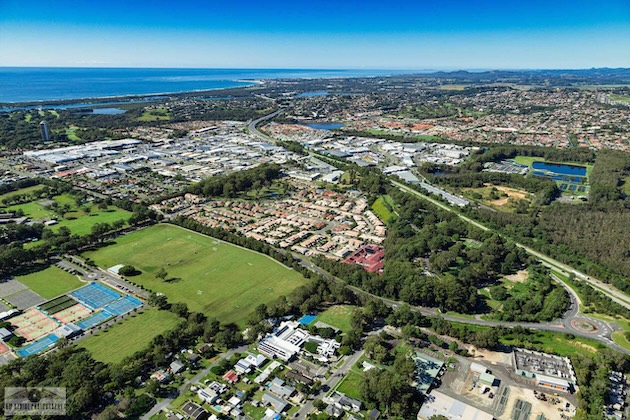
Soucre: Lindisfarne Anglican Grammar School
Government vs. Private: Which is Right for You?
Australia offers highly diverse schooling options:
Government Schools: Authentic Culture: A higher proportion of local Australian students makes it easier to integrate into the local lifestyle.
- High Value: Competitive tuition fees with strict government regulation ensuring high teaching standards.
Private Schools (Independent/Catholic): Top-tier Facilities: Often feature university-grade science labs, arts centers, and sports complexes.
- Strong Networks: Long-standing histories with powerful alumni networks and specific philosophies (e.g., IB programmes).
Accommodation: Boarding Schools vs. Homestay?
Where you live is a major part of growing up. Australia offers two main pathways:
- Boarding School: Primarily offered by private schools. Students are immersed in campus life 24/7 with structured study times and the opportunity to build lifelong friendships with peers from around the world.
- Homestay: Available for both government and private school students. Living with a local Australian family provides a "home away from home," making it the best way to practice English and experience authentic culture.
A Global Pathway: ATAR Connects to World-Class Universities
The ATAR (Australian Tertiary Admission Rank) is not only the ticket to Australia’s "Group of Eight" elite universities but also a globally recognized and highly flexible academic qualification.
Returning to Hong Kong: Applying to HKU, CUHK, and HKUST via Non-JUPAS
For students considering returning to Hong Kong for university, ATAR is an exceptionally powerful tool. Major institutions like HKU, CUHK, and HKUST all accept ATAR results through the Non-JUPAS pathway. Compared to the highly competitive DSE JUPAS, the Non-JUPAS route places more weight on a student’s Personal Statement and interview performance, providing an alternative route into prestigious programmes.
Global Recognition:
- UK Top Universities: Prestigious schools such as the University of Cambridge, UCL, and the University of Manchester explicitly list ATAR requirements in their admissions criteria.
- North American Reach: Leading universities in the USA (including the Ivy League) and Canada (such as the University of Toronto) have admissions officers who recognize the ATAR as a reliable standard for assessing academic potential.
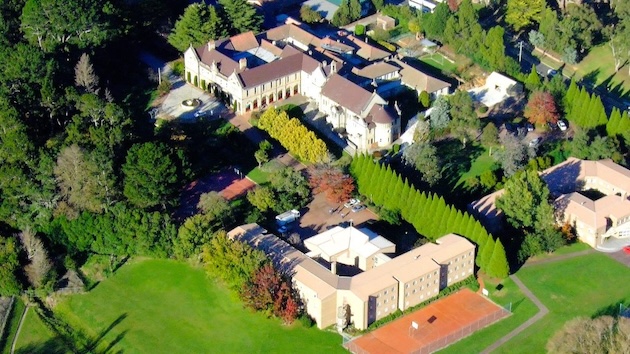
Source: St Paul's International College
Consultant's Tip: Start Early for a Strategic Advantage!
While students can transfer in Year 11, we generally recommend starting from Year 9 or Year 10. This provides students with ample time to adapt to a full English-speaking environment and build a strong academic foundation before entering the critical Year 11 and Year 12 assessment periods. Starting earlier ensures a much better chance of securing a top ATAR score, providing greater certainty whether the student chooses to remain in Australia or return to Hong Kong for university.
Unlock Your Child’s Potential: Strategic Australian High School Planning with Synchro Overseas Education
The professional team at Synchro Overseas Education is ready to tailor a bespoke Australian secondary education plan for your child. We specialise in guiding families through the choices between government and independent schools, ATAR pathway planning, and strategic progression—whether aiming for top Australian universities, international institutions, or returning to Hong Kong via the Non-JUPAS route. We help your children break free from the pressure of "one-off" examinations, allowing them to discover their potential in a balanced learning environment and secure the ultimate head start for their future careers. For more information or to book a consultation, please contact Synchro Overseas Education by calling 2111 1480 or via WhatsApp 5117 4380.